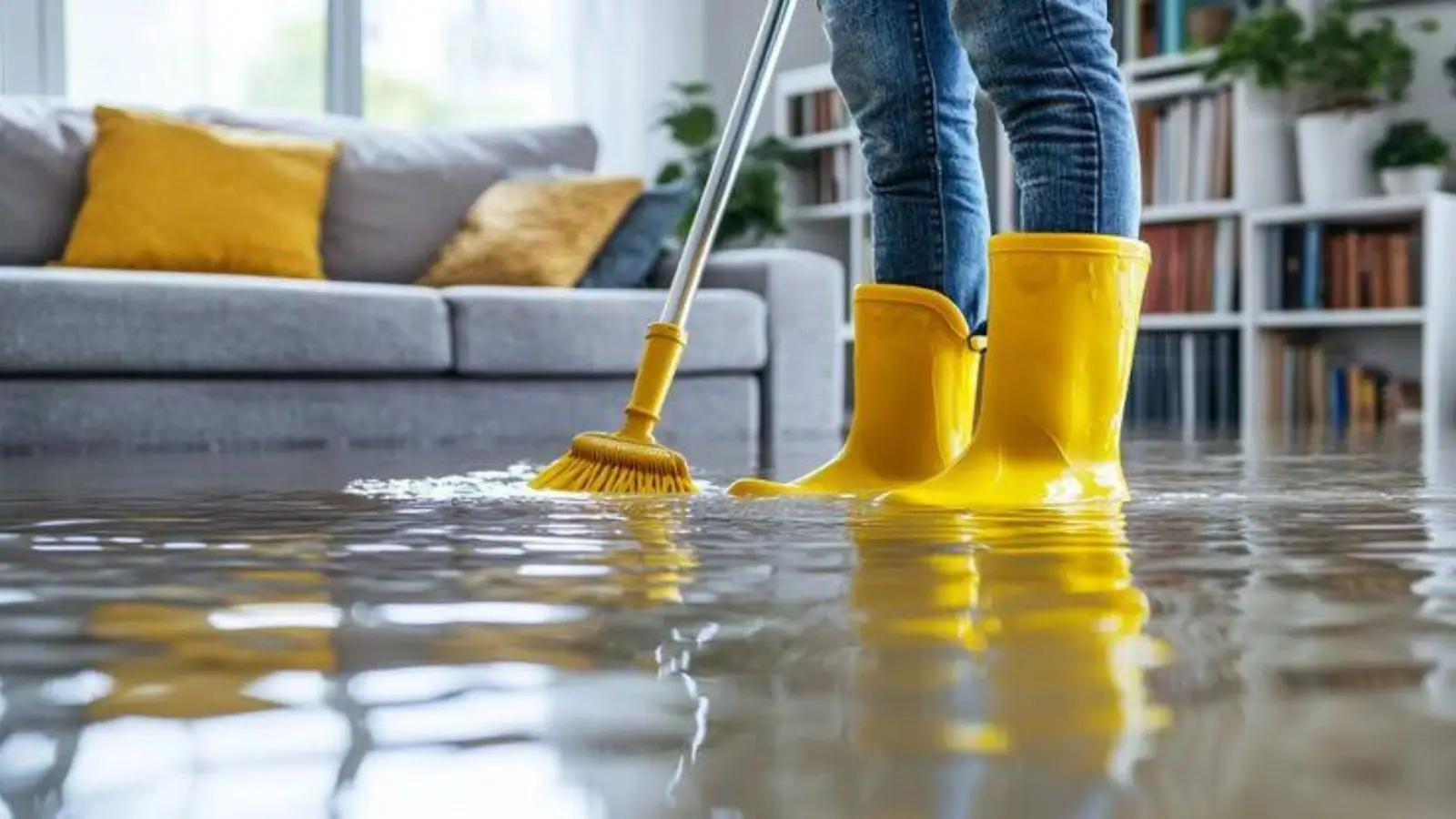
The water has stopped, but the room is a mess, and you want it handled before it turns into a bigger problem. Calls are answered 24/7, so reach out the moment you are ready, even at 3 a.m. Until a crew gets to you, keep the main water valve closed, keep people and pets out of any dirty water, and cut power to wet areas only if you can reach the panel while dry.
Pick up anything valuable that is sitting on a wet floor, and photograph the damage before you touch it. Same-day cleanup is available when a crew is open, and after-hours calls get the same attention as daytime ones.
Cleanup in the first 48 hours after the water stops
The first two days decide how much of your home you keep. Wet carpet pad, soaked insulation and swollen baseboard hold moisture against the structure, and mold can start growing on damp materials within about 48 hours. Cleanup is the work of removing what cannot be saved, sanitizing what can, and clearing the way for drying.
If you are still dealing with an active leak or standing water, start with emergency water removal so the area is pumped out first. Cleanup follows that step, and the drying that comes after is covered under water mitigation.
What gets removed and what gets saved
A crew sorts materials by how much water they took on and how clean the water was. Porous materials that soaked up contaminated water are usually removed, while hard, sealed surfaces can often be cleaned and kept.
Carpet pad
Pad acts like a sponge and rarely dries well under carpet. It is usually removed, while the carpet itself can sometimes be lifted, cleaned and reinstalled when the water was clean.
Insulation
Wet batt insulation loses its value and holds moisture against framing. It is typically pulled from affected wall cavities and bagged for disposal.
Baseboard and trim
Painted trim can often be removed carefully, dried and put back. Swollen or delaminating MDF trim usually gets replaced.
Drywall
Water wicks up drywall well above the visible line, so crews often cut a flood cut a few inches above the highest wet reading. Clean-water drywall that tests dry can stay.
Contents
Solid wood furniture, glass and metal usually clean up well. Upholstery, mattresses and particleboard pieces are the hardest to save after contact with dirty water.
Sanitizing and antimicrobial treatment by water category
How the surfaces are treated depends on where the water came from. Category 1 water from a clean supply line needs little more than removal and drying. Category 2 water, such as a dishwasher or washing machine discharge, gets cleaning followed by an antimicrobial treatment on surfaces that stay.
Category 3 water carries sewage or floodwater, and the rule changes. Porous materials that touched it are removed, hard surfaces are cleaned and disinfected, and crews wear protective gear. Never wade into it or clean it yourself.
| Category | Typical source | What cleanup looks like |
|---|---|---|
| Category 1 | Broken supply line, faucet overflow, leaking water heater | Extract water, remove wet pad if needed, dry the structure, minimal sanitizing |
| Category 2 | Washing machine or dishwasher discharge, sump overflow, toilet overflow with urine only | Remove porous materials, clean surfaces, apply antimicrobial treatment, dry |
| Category 3 | Sewage backup, river or storm flooding, standing water that sat for days | Remove all porous materials, containment barriers, disinfect hard surfaces, HEPA air scrubbers, PPE |
Odor control and air quality
Odor means something is still wet or soiled. Deodorizing without finding that source only covers the smell for a few days. A crew traces the odor with moisture meters and a thermal imaging camera, removes the cause, and then treats the air and surfaces.
HEPA air scrubbers pull fine dust and airborne particles through a filter while demolition is going on, and crews often pair them with containment barriers and negative air so debris does not spread to clean rooms.
What to photograph before cleanup starts
Take photos and short videos before anything is moved or thrown out. Wide shots show which rooms were hit, and close-ups show the water line on walls, damaged flooring and the source of the leak.
List damaged contents with a rough age and value, and keep ruined items long enough for an adjuster to see them if your insurer asks. Your crew also records moisture readings and what was removed.
How scope and price are explained before work starts
A crew starts with a walk-through of the wet areas, usually with you. They check surfaces with moisture meters, note the water category, and mark what can be saved and what has to come out.
From there you get a written scope listing the removal, cleaning, treatment and any equipment. The price follows from that scope, and the crew can tell you why each item is there. If readings reveal more hidden moisture than expected, that is discussed before the scope changes.
What drives the cost
Water category
Category 1 is the lightest job. Categories 2 and 3 add protective gear, antimicrobial treatment and more material removal.
Affected area
The number of rooms, floors and square footage of wet material sets the labor.
Materials
Carpet pad, drywall, hardwood and plaster each need different handling, and some cost more to remove and dispose of.
Drying days and equipment
Air movers, LGR dehumidifiers and HEPA air scrubbers running over several days are part of the total.
Rebuild scope
Cleanup ends with removal and treatment. Replacing drywall, flooring and trim is a separate repair phase.
Sudden and accidental water damage is often covered by homeowner policies, while gradual leaks and neglect often are not, and flood damage is usually excluded without separate flood coverage. Check your policy or ask your insurer. For a number that fits your home, call (339) 333-9345 and describe what got wet.
Safety first
If water touched outlets, appliances or the electrical panel, stay out of the room. Turn power off at the panel only when you can get to it without stepping in water. For any electrical or gas risk, or sewage coming up through a drain, call the utility or 911 before calling the restoration line.
Sewer backups in Stoneham
The town's Public Works Water/Sewer Department maintains about 75 miles of sewer and 5 sewer pumping stations. If wastewater is coming up through a floor drain, treat it as category 3: stay out, keep the drain area clear and report it to Public Works so they can check the town line. Then call us so cleanup can be planned around the contaminated area.
Frequently asked questions
Do you handle water damage cleanup emergencies at night or on weekends in Stoneham?
Yes. The line is answered around the clock, on nights, weekends and holidays. Tell us what happened, what got wet and whether sewage is involved, and you will get steps to follow while a crew is arranged. Same-day response is available when a crew is open, but we cannot promise a specific arrival time.
Can wet carpet be saved after a pipe break?
Often yes, if the water was clean (category 1) and the carpet is extracted and dried quickly. The pad underneath is usually removed because it holds water. If the water was category 2 or 3, the carpet is typically discarded, since contaminated water cannot be cleaned out of the fibers reliably.
Will the smell go away after cleanup?
Usually, when the source of the smell is removed. Odors from soaked pad, insulation or soiled drywall fade once those materials are out and the structure is dry. Crews use HEPA air scrubbers and deodorizing treatments to finish the job, but a lingering smell after drying can mean hidden moisture that needs to be found.
What should I photograph for an insurance claim?
Wide shots of each affected room, close-ups of the water line and damaged materials, the source of the leak, and every ruined item before it is thrown out. Keep a list with approximate ages. Ask your insurer what documentation it wants, and check your policy for coverage details.
Serving Stoneham and the towns around it
Crews work across Stoneham and nearby areas, including calls near Melrose and Medford. Cleanup is done by licensed and insured restoration professionals. Cleanup practice is described in ANSI/IICRC S500, the published water damage standard, so ask each company how its crews apply it. Once the structure is clean and dry, water damage repair covers rebuilding.