Repairing a water damaged wall means four things in order: stop the leak, dry the wall cavity, remove material that cannot dry, then rebuild and refinish. Painting over a stain skips the middle two steps, and the stain returns. If the wall is wet right now, shut off the water to that part of the house first.
The right repair depends on how long the wall was wet and what it is made of. A fresh pipe leak caught in a day may need only drying. A wall damp for weeks usually needs cutting open.
Signs that water is inside the wall
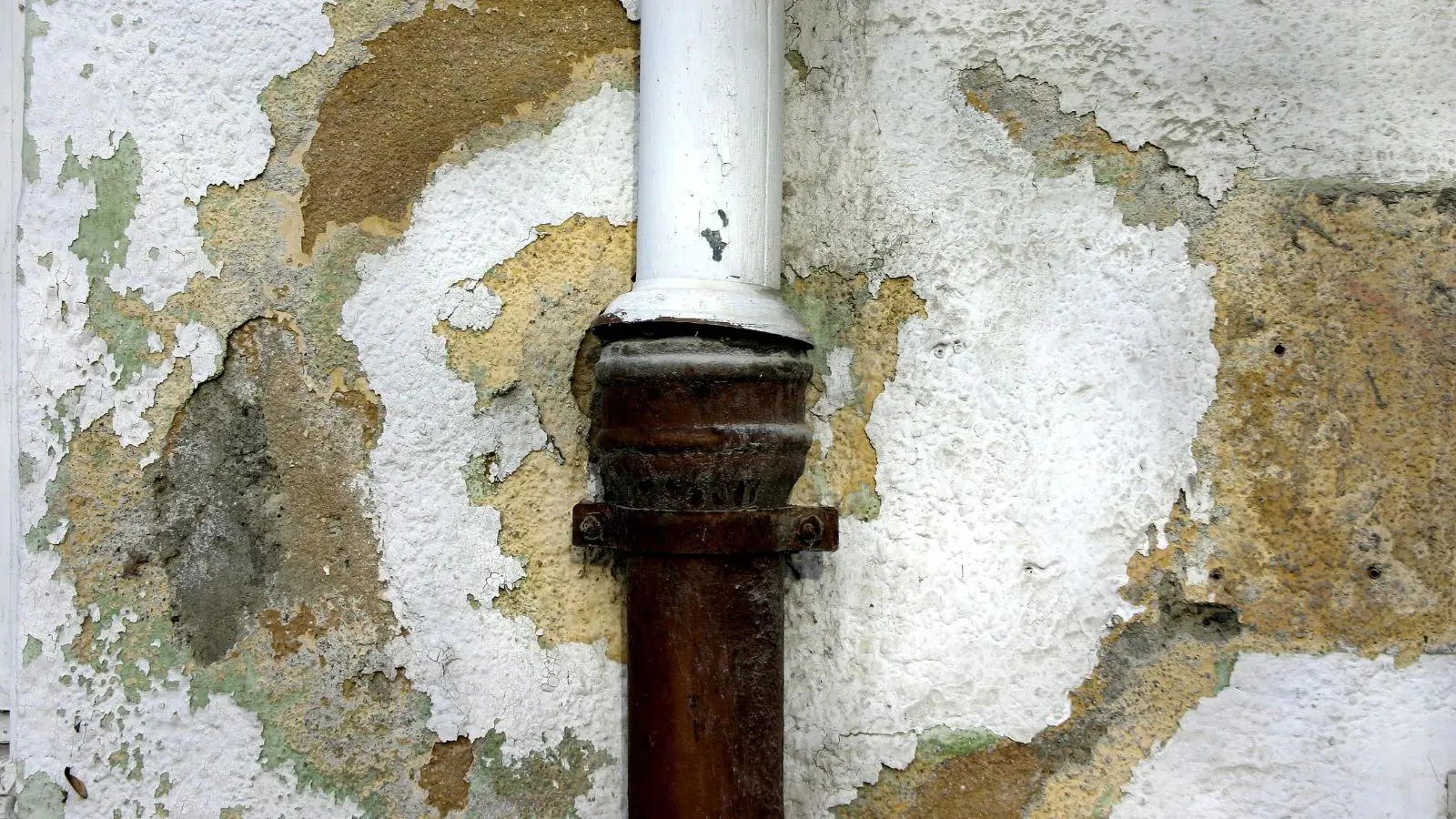
Water in a wall rarely announces itself with a puddle. It shows up as a brown or yellow stain that grows, paint that bubbles or peels, drywall that feels soft or crumbles at the bottom edge, wallpaper seams that lift, baseboards that swell, and a musty smell that gets stronger when the room is closed up.
Press gently with a fingertip. Dry drywall is firm and wet drywall feels spongy. A moisture meter gives a number, and a thermal imaging camera shows wet patches behind the surface.
Check the room above too. The stain you see can sit several feet from where the water enters.
Find the source before anything else
Walls get wet from supply lines, drain lines, appliance hoses, roof and flashing leaks, failed window seals, siding gaps, and plumbing that sweats in humid weather. A supply line leak keeps flowing. A roof leak stops and starts with the weather. If the stain grew after rain, think roof or exterior. If it grew after the shower or washer ran, think plumbing.
Turn off the water to the fixture or the whole house, and see whether the stain stops growing over a day. A plumber can pressure test lines. Do not cut into a wall near wiring until you know the circuit is off.
Safety first
If water is near outlets, switches, light fixtures or the electrical panel, stay out of the room. Cut power only if you can reach the panel while standing on dry ground. For any electrical or gas risk, call the utility or 911 before you call a restoration line. Water from a sewer line or toilet overflow is contaminated, so do not touch it.
What different walls do when wet
Not every wall fails the same way. Material decides how fast damage spreads and what the repair looks like.
| Wall material | How it reacts to water | Repair path |
|---|---|---|
| Painted drywall | Paper facing wicks water upward, softens and can sag | Dry if firm and caught early. Cut out and replace if soft, crumbling or wet for days |
| Plaster and lath | Plaster can loosen from the lath and stain heavily | Dry slowly, then patch loose areas or replace sections |
| Wood paneling | Warps, swells and traps moisture behind it | Remove panels, dry the cavity, reinstall or replace |
| Tile over backer board | Tile itself resists water, but grout and backing do not | Check backing, replace damaged backer board and regrout |
| Fiberglass insulation in the cavity | Holds water against studs and drywall | Remove wet insulation, dry framing, install new |
| Wood framing | Dries well if caught early, can stay damp for weeks | Meter readings decide, replace only if rotted or still wet |
Soaked insulation stays wet inside a closed wall, so a dry-looking surface can hide a damp cavity.
Drying comes before repair
Professional drying starts by removing the wet material that cannot be saved, usually a flood cut about 12 to 24 inches above the visible water line in drywall. Then air movers push air across the opened cavity, LGR dehumidifiers pull moisture out of the room, and a moisture meter tracks progress daily. Most walls take three to five days to reach normal readings, and thicker materials take longer.
That is the work of water mitigation. Rebuilding on damp framing is how mold gets a second chance, so wait until the readings say the structure is dry. Materials that stay wet longer than about 48 hours can start supporting mold growth, and if you find it, mold work follows ANSI/IICRC S520 and is handled separately by mold remediation crews.
What you can do before help arrives
Stop the source
Shut off the fixture valve or the main. Move away furniture and take art off the wall.
Photograph everything
Take wide and close photos of the stain, the room above and any damaged belongings. Your insurer may ask for them.
Dry what you safely can
Run a fan on the wall and a dehumidifier in the room. Open a window if the air outside is drier.
Protect the floor
Lift rugs and place plastic or towels under the wall base. Remove baseboards only if you are comfortable doing so.
Do not heat the wall with a space heater. Do not seal it with paint or caulk while it is wet.
Repair after drying: patch, replace or rebuild
Once the cavity is dry, the repair is ordinary construction. Small sections of drywall are cut out to the studs, new board is hung, taped, mudded, sanded, primed and painted. Painting a new patch alone often shows, so the whole wall section is usually primed and repainted to match.
Larger jobs add new insulation, baseboards and trim. This is the scope of water damage repair, and it is billed separately from drying. Cost depends on water category, wall area, materials, the days of drying and the extent of rebuild.
Ask any company to write down the scope before work starts. Insurance coverage depends on your policy and on whether the damage was sudden and accidental or a gradual leak. Ask your insurer before you start.
When to call a professional
Call when the wall is soft, when water has been inside it for more than a day or two, when the source is a toilet or sewer line, when stains cover more than one wall, or when you find fuzzy growth. Also call if you cannot locate the leak. Crews serving Stoneham also work in Medford and Wakefield, with scope and price explained before work starts.
Who handles what for a Stoneham wall leak
Stoneham Public Works Water/Sewer Department maintains about 75 miles of town water mains. A leak inside your wall is on the house side of the line, so it is a plumbing and repair question for you, not for the town. If water is coming in from the street side, or you see a break outside near the curb, call Public Works. After hours, the town's page directs emergencies to the Stoneham Police Department line.
When you open walls for rebuilding, ask the town Building Department at 35 Central Street whether your project needs a permit, because the town page does not say when water damage repair requires one. Permit applications are accepted through the town's online portal.
Frequently asked questions
Can I just paint over a water stain on a wall?
Paint hides the color but not the moisture. If water is still in the drywall or cavity, the stain returns and paint peels again. Find and fix the source, confirm the wall is dry with a moisture meter, then prime with a stain-blocking primer and repaint. A dry stain on a wall that has been checked is a cosmetic fix.
How long does it take for a wet wall to dry?
Most drywall cavities dry in about three to five days with air movers and dehumidifiers running, though plaster, paneling and thick framing can take longer. Readings from a moisture meter decide when it is finished, not the calendar. Opening the wall at the bottom speeds drying because air can reach the cavity.
Do I have to cut out wet drywall?
Not always. Drywall that is firm, has not been wet more than a day or so and carried clean water can sometimes be dried in place. Soft, crumbling, stained or contaminated drywall comes out, as does anything wet from a sewer or toilet overflow. A moisture inspection tells you which case applies.
Will my insurance pay for wall water damage?
It depends on your policy and the cause. Sudden and accidental water damage is often covered, while gradual leaks and neglect often are not, and flood damage usually needs separate flood coverage. Check your policy and ask your insurer before repairs.
Who do I call in Stoneham if water is coming through a wall from outside?
If the water seems to come from the street side or a town main, call Stoneham Public Works. If it comes from your own pipes, roof or siding, call a plumber or roofer to stop the source and a licensed and insured restoration crew to dry the wall. Use the Police Department line after business hours.
If you cannot tell where the water is coming from, call (339) 333-9345 and describe the stain. A dispatcher will help you decide what comes first.